
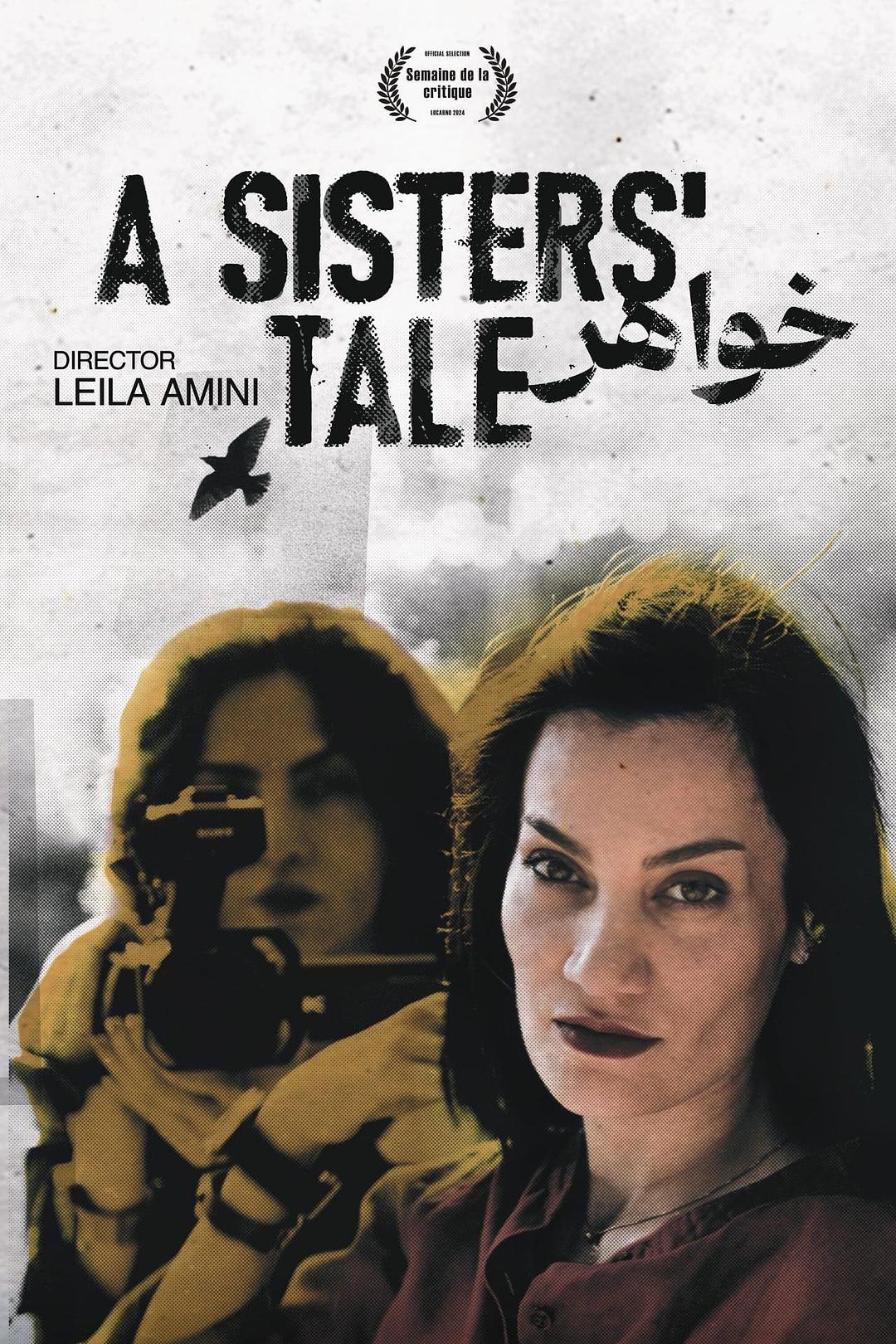
#SIFF2025 长宁百丽宫影城
这部电影给我的感觉是:有真实的复杂性:其对于桎梏的描述有两重性。
电影中对于桎梏的展示是非常具有层次性:由宏观到微观,由背景到具体的事情:
最开始展现出来的Nasreen的家庭,无疑是美满的——与丈夫、孩子非常幸福地生活。伊朗这个国家看上去和世俗国家也别无二异:唱歌的母亲,看球的父子,拿着xbox手柄的儿子,iPhone,google。
第一层桎梏是国家、社会带来的,在电影开头就提到:女性不能在公开场合唱歌。警车在旁边时感受到的不是安全,而是警觉:停止唱歌,戴上头纱,小心摄像机。纹身师说:“我给xxx(那个女歌手,忘记名字了)纹过身,她戴着头巾唱歌,谷歌上都查不到她的脸,女性在国内唱歌有限制。”摄影师应:“女性在国内有很多限制。”纹身师问:“纹这个真的值得这么痛嘛?”Nasreen在手指上纹上了women。
第二层桎梏是丈夫:开始时的幸福,后面才知道这只不过是一个不具体的表象,一旦到具体的生活,这就是一段不幸福的婚姻。太经典了:晚归的丈夫、不爱的丈夫、自私的丈夫。甚至其实两人一开始在一起都是因为家庭内部的催婚压力,甚至抚养小孩对于丈夫的付出小于儿子的付出。
第三层桎梏是原生家庭:母亲一直支持Nasreen,Nasreen也一直认为父亲在的话会支持自己唱歌,会保护自己免于丈夫的冷暴力。但是母亲还是传统的,父亲的支持最终还是父权赋予的权利,而不是个人独立带来的力量,当初Nasreen结婚都是半处于家庭给到的压力。
但是这部电影的对于整个事件的刻画是具体的,不是一昧地否定。母亲最终也还是尊重女儿离婚的意愿,并且为了帮女儿承担压力而陪同女儿一起去离婚,原生家庭是桎梏,但也是支撑。和前夫也算是离婚离得干净,获得抚养权、抚养费,Nasreen在法律的支持下也获得了应有的保障。
离婚之后Nasreen走出家门,不为家庭所累(当然也是因为母亲的支持和子女的成长),找到了一份支持自己的职业(伊朗的女性生存状况,至少没有差到一个女人养不活自己,完全依附于一个男人)。其实这在某种程度上,回答了“娜拉出走之后,然后呢”的问题。
影片的结尾还是秉有对未来的希望:伊朗知名女歌手牵头,希望改变伊朗对于女性的偏见与歧视。Nasreen的母亲生日,许下了伊朗和平的宏大愿望。儿子Hamid说,乌龟会把头抬出水面呼吸——下一代会好吗?Hamid支持母亲唱歌,未来的伊朗,会支持女性平等的地位吗?
# SIFF2025 Changning Palace Cinema
My impression of this film is that it presents genuine complexity: its portrayal of constraints has a dual nature.
The film depicts constraints in a highly layered way, moving from the macro to the micro, from the background to specific events:
At first glance, Nasreen’s family appears idyllic—she lives happily with her husband and children. Iran itself seems no different from secular countries: a mother who sings, a father and son watching a match, a son holding an Xbox controller, iPhones, Google.
The first layer of constraints comes from the state and society. As mentioned at the beginning of the film, women are not allowed to sing in public. When a police car is nearby, what they feel is not safety but vigilance: stop singing, put on a hijab, watch out for cameras. The tattoo artist says, “I tattooed xxx (that singer, I forgot her name). She sings while wearing a headscarf, and you can’t even find her face on Google; there are restrictions on women singing in the country.” The photographer adds, “Women face many restrictions in the country.” The tattoo artist asks, “Is getting this tattoo really worth so much pain?” Nasreen tattoos the word “women” on her finger.
The second layer of constraints comes from her husband. The initial happiness turns out to be a superficial facade; once daily life begins, it becomes an unhappy marriage. It’s a classic scenario: a husband who comes home late, doesn’t love her, and is selfish. In fact, they got together initially due to family pressure to marry, and the husband contributes less to raising their child than the son does.
The third layer of constraints comes from her family of origin. Nasreen’s mother always supported her, and Nasreen always believed her father would support her singing and protect her from her husband’s emotional abuse. However, her mother remains traditional; her father’s support ultimately stems from patriarchal privilege rather than personal independence. Nasreen’s marriage was also partly driven by family pressure.
Yet the film portrays the entire situation in a concrete way, without simply negating everything. In the end, her mother respects her daughter’s decision to divorce and even accompanies her to the divorce proceedings to help bear the burden. The family of origin is both a constraint and a source of support. Nasreen’s divorce is clean: she gains custody and alimony, and with legal backing, she receives the protection she deserves.
After the divorce, Nasreen steps out of the home, unburdened by family obligations (thanks to her mother’s support and her children’s growth), and finds a job that supports her (the situation of Iranian women is such that at least they can support themselves and are not completely dependent on a man). In a way, this answers the question, “What happens after Nora leaves home?”
The film ends on a note of hope for the future: a well-known Iranian singer takes the lead in trying to change prejudice and discrimination against women in Iran. On Nasreen’s mother’s birthday, she makes a grand wish for peace in Iran. Her son Hamid says, “A turtle will lift its head out of water to breathe”—will the next generation fare better? Hamid supports his mother’s singing. Will future Iran embrace gender equality?
其他文章Other Articles

评论 Comments